
Night Guards and Occlusal Splints: Which Type Do You Need for Teeth Grinding?
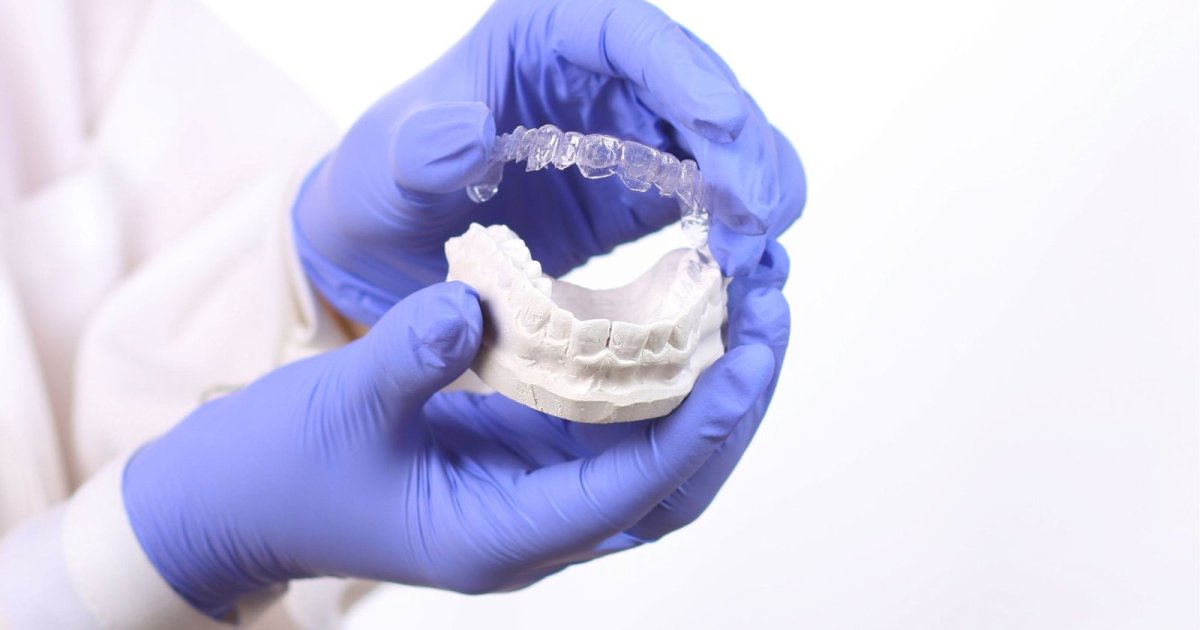
If you grind or clench your teeth at night, a night guard for teeth grinding is one of the most common ways dentists help protect your teeth. But night guards come in different materials and styles, and the right one depends on your teeth, your habits and what your dentist finds at an examination.
This guide explains what teeth grinding is, what a night guard does and does not do, the main types of dental splints, how custom and over-the-counter guards differ, what getting one fitted involves, and the risks and limits. It ends with questions to bring to your appointment.
This article is general information only. It is not a diagnosis. Your dentist can assess whether a splint suits you. Our occlusal splints page gives an overview of splints at Thornton Dental.
What is Teeth Grinding?
Teeth grinding and clenching, known as bruxism, means pressing or grinding your teeth together, often without realising. It commonly happens during sleep, though some patients do it while awake.
The causes are not always clear. Stress, sleep problems, how the teeth fit together and some lifestyle habits may all play a part. Because it often happens while you sleep, many patients only find out when a dentist or partner notices.
Signs You May Be Grinding Your Teeth
- Worn, flattened or chipped teeth.
- Jaw soreness or tightness, especially in the morning.
- Headaches that start around the temples.
- Sensitive teeth.
- A partner who hears grinding at night.
- Indentations on the sides of your tongue or cheeks.
These signs can have other causes, so an examination matters more than a checklist. Our article on 3 signs you may have TMJ issues covers jaw joint symptoms that are worth having checked.
What a Night Guard Does, and What it Doesn't
A night guard is a type of removable occlusal appliance designed to sit over the teeth. It places a barrier between the upper and lower teeth, so they do not grind directly on each other. Its job is to help protect teeth from wear and damage.
A night guard does not cure bruxism, and it does not necessarily stop you from grinding. It is a protective and management device, fitted after an assessment. Whether it helps with jaw soreness or headaches varies between patients.
Types of Dental Splints
Dental splint types differ in material, thickness and how much of the teeth they cover. Your dentist will recommend one after an assessment, and not every practice makes every type, so ask what is available.
Soft splints
Soft splints are made from a flexible material. They can feel cushioning to wear. Because the material is softer, it may wear down faster than harder options. Your dentist may suggest one for lighter grinding.
Hard acrylic splints
Hard splints are made from a rigid acrylic. They are durable and can be shaped to a precise fit. They can feel bulkier at first and may need adjustment. They are often discussed for heavier grinding.
Dual-laminate splints
These have a soft inner layer for comfort against the teeth and a harder outer layer for durability. Dentists may discuss them when someone wants a balance of the two.
Partial-coverage splints
Some splints cover only some of the teeth, such as the front ones. They are considered for specific situations and can change how the teeth meet in ways full-coverage splints do not, so they need careful assessment and follow-up.
Custom Night Guard or Over-the-counter Mouth Guard?
A mouth guard for night teeth grinding can be bought over the counter or made by a dentist. They are made differently.
Custom splints are made from impressions or scans of your teeth, usually fabricated in a dental laboratory, and fitted and checked by your dentist after an assessment.
Over-the-counter guards are bought without an examination. Stock mouthguards are available in standard sizes, while boil-and-bite versions are softened in hot water before being moulded to the teeth at home. Their fit varies, and nobody checks how they sit against your bite or whether you have dental problems that need attention first.
Neither option is right for everyone. Which is appropriate depends on your teeth, how you grind and what an examination shows. If you are using an over-the-counter guard and it feels uncomfortable, shifts or does not seem to fit, ask your dentist to take a look.
What Decides Which Type Suits You
Your dentist will usually look at:
- How worn your teeth are and how much force you appear to use.
- How your upper and lower teeth fit together.
- Your jaw joints and muscles.
- Which teeth are present, and any crowns, fillings or other work.
- Gum health and any decay that needs treating first.
- Whether you gag easily, or find thick devices hard to tolerate.
- Your comfort, preferences and daily habits.
What Getting a Custom Splint Involves
Every case differs, but it generally follows these steps.
- Assessment. Your dentist examines your teeth, gums, bite and jaw and talks with you about your symptoms.
- Discussing options. You talk through the type of splint, the risks and limitations, and the costs before anything is made.
- Impressions or scans. An impression or digital scan of your teeth is taken.
- Making the splint. It is usually fabricated in a dental laboratory, so it takes more than one visit.
- Fitting. Your dentist checks the fit and your bite and makes adjustments.
- Review. A follow-up visit checks how it is feeling and whether it needs changes.
Looking After Your Night Guard
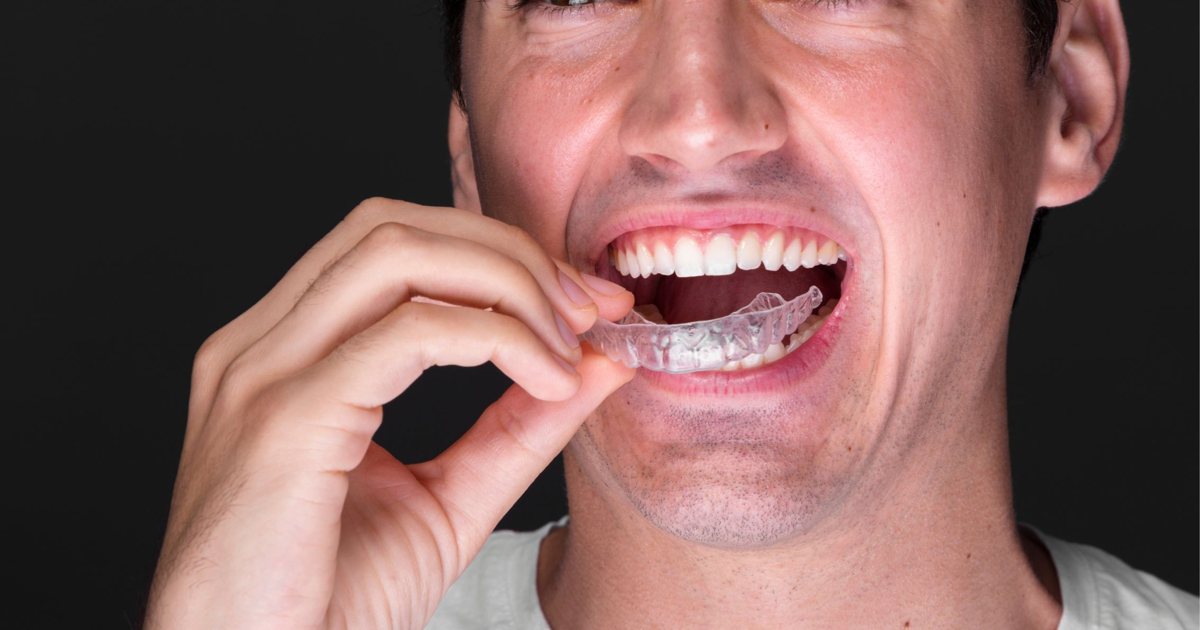
- Clean it daily with a soft toothbrush and non-abrasive toothpaste, or a cleaner your dentist recommends.
- Avoid hot water, which can distort it.
- Store it in a ventilated case when you are not wearing it.
- Bring it to your check-ups so your dentist can check the fit and wear. Your regular check and clean is a good time.
- Tell your dentist if it cracks, wears through, feels loose or starts to feel different. Dental work can change how it fits.
How long a night guard lasts depends on the material, how hard you grind and how well you look after it.
Risks and Limitations
- Adjustment period. It can feel strange at first, with extra saliva or a gag reflex, and some patients find it hard to tolerate.
- Soreness. Teeth or jaw may feel sore at first, and some patients notice their bite feels different.
- Wear and breakage. Splints can wear through, crack or become loose.
- Poor fit. A guard that does not fit well can affect how your teeth meet.
- Not a cure. A splint protects teeth but does not remove the cause of grinding, and it may not relieve headaches or jaw pain.
- Hygiene. An uncleaned guard can collect bacteria.
- Not for everyone. If you snore heavily or have been told you stop breathing in your sleep, tell your dentist or doctor before using a splint.
Results vary between patients. A splint is one part of managing grinding, not a guaranteed fix.
Other Ways to Manage Grinding
Your dentist may also talk with you about:
- Ways to manage stress and wind down before bed.
- Cutting back on caffeine and alcohol, especially in the evening.
- Avoiding chewing pens, ice or gum.
- Raising sleep concerns with your doctor.
- Treating any dental problems that affect your bite.
Questions to Ask at Your Appointment
- Do I grind or clench, and how much wear is there?
- Is a splint appropriate for me?
- Which type do you suggest, and why?
- Which types are available at this practice?
- What are the risks and limitations in my case?
- How should I look after it, and what follow-up is involved?
- What are the total costs and what do they include?
Night Guard FAQs
Does a night guard stop me grinding?
Not necessarily. A night guard protects your teeth from the effects of grinding, but you may still grind or clench.
Can a night guard cure headaches or jaw pain?
No. A night guard does not cure jaw joint problems or headaches. It may be part of a management plan for some patients, but results vary. Have persistent jaw pain or headaches assessed.
How long does a night guard last?
It depends on the material, how hard you grind and how you look after it. Your dentist will check it at your visits and tell you when it needs repair or replacing.
Can children wear a night guard?
Children's teeth and jaws are still growing, so this needs a dentist's assessment. Ask your dentist whether a splint is appropriate for your child.
Ask About a Custom Splint in Thornton
Waking with a sore jaw, or noticing worn teeth? The next step is an examination.
At Thornton Dental, your dentist can check your teeth and bite, talk through your options and explain the risks and limitations before you decide on anything.
Call us on (02) 4966 2996 or book online and mention that you would like to ask about a custom splint. You can also read about occlusal splints at Thornton Dental.
We are at Thornton Shopping Centre, Shop 30/1 Taylor Ave, Thornton NSW 2322, and we welcome patients from Thornton, Maitland, East Maitland, Metford, Beresfield and the surrounding areas.
This article is general information and does not replace advice from a registered dental practitioner. All dental procedures carry risks. Results vary between patients. Ask your dentist whether treatment is appropriate for you.