
How to Stop Bad Breath: Causes and Dental Solutions
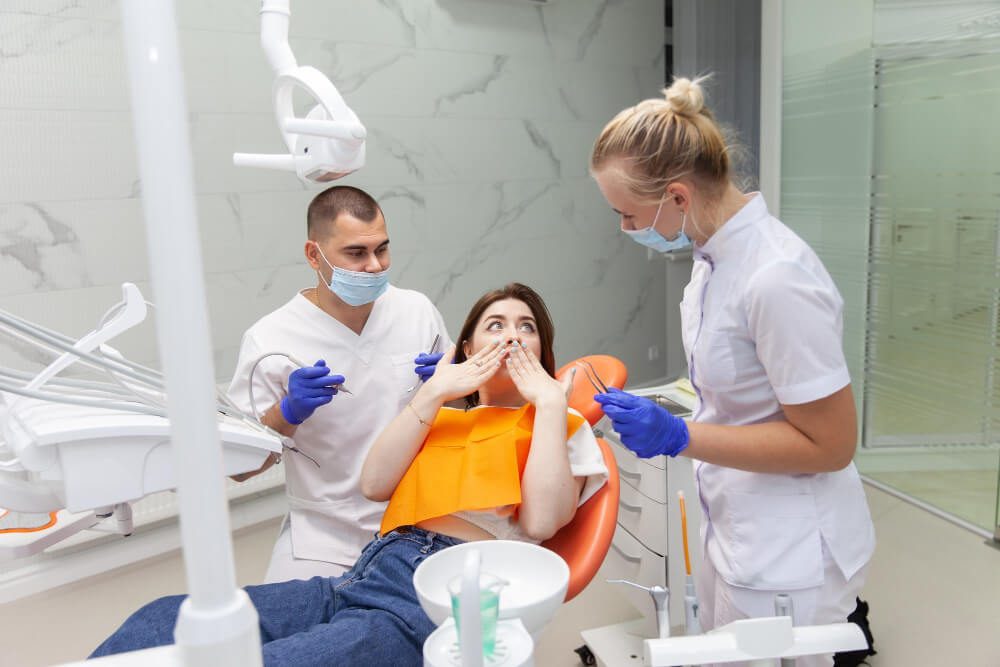
There is more to bad breath than just a minor inconvenience—it can affect your confidence, your relationships, and sometimes even signal underlying health problems. If you’ve ever caught yourself wondering, “Why does my breath smell?”, you’re not alone. Bad breath, also known as halitosis, is common, but the good news is that there are practical ways to manage it.
In this guide, we’ll explore what causes bad breath, when it might indicate a serious issue, professional treatments available, home remedies, and tips to keep your mouth fresh. If you live in Thornton, Maitland, East Maitland, Beresfield, or Woodberry, you’ll also find local options to get professional help.
What Causes Bad Breath?
Bad breath doesn’t happen overnight. It usually develops when bacteria in your mouth interact with food particles, plaque, or other oral health issues. Some of the most common causes include:
Poor Oral Hygiene
Not brushing and flossing properly allows food debris to linger, providing a breeding ground for odour-causing bacteria. Chronic bad breath may result from this over time.
Gum Disease
Gingivitis and periodontitis are closely linked with halitosis. Inflammation and infection in the gums create compounds that produce a strong, unpleasant smell.
Dry Mouth
Saliva helps cleanse the mouth by removing food particles and bacteria. Reduced saliva production—caused by medications, dehydration, or medical conditions—can leave your mouth dry and odorous.
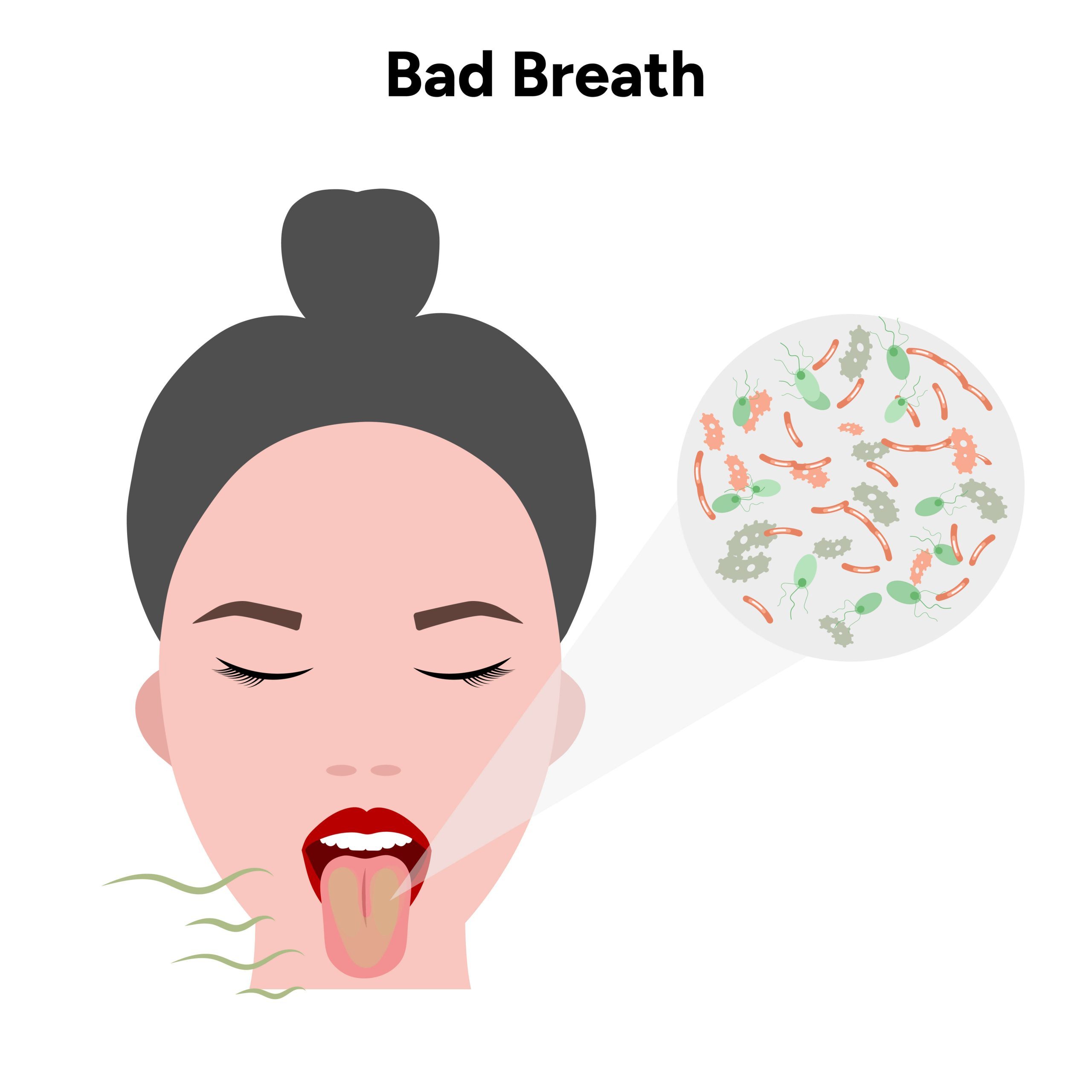
Bacteria on the Tongue
Bacteria can be trapped on the tongue’s rough surface, especially towards the back. Regular tongue cleaning can significantly reduce foul breath.
Diet
Certain foods like garlic, onion, and spicy dishes can temporarily cause bad breath. While not always permanent, they do contribute to odour.
Medical Conditions
Some conditions, including sinus infections, acid reflux, diabetes, and respiratory issues, can make your breath smell different. Smoking also leaves a persistent odour that regular brushing alone can’t eliminate.
When Bad Breath Is a Sign of Something Serious
Most cases of halitosis are manageable with good oral hygiene and lifestyle adjustments. However, persistent bad breath can sometimes indicate more serious health issues:
- Gum Disease: The gums may become infected, giving a strong, sour smell.
- Tooth Infection or Abscess: Decay and abscessed teeth can lead to chronic bad breath.
- Diabetes: Certain types of diabetes can cause a sweet or fruity breath smell.
- Acid Reflux: Stomach acids reaching the mouth can cause a sour odour.
- Chronic Sinusitis: Mucus from prolonged sinus infections can affect breathing.
If you notice bad breath that doesn’t improve with daily brushing, flossing, and mouthwash, it’s time to see a dentist. A professional assessment can identify underlying issues before they worsen.
Professional Treatment for Bad Breath
Visiting a dentist is one of the most effective ways to tackle bad breath. Some of the treatments available include:
- Scale and Clean: Professional cleaning removes plaque and tartar that brushing and flossing can’t reach, reducing odour at the source.
- Gum Disease Treatment: Addressing gingivitis or periodontitis through specialised therapy helps control halitosis caused by gum infections.
- Tongue Cleaning: Dentists can provide advice on effective tongue scraping techniques to reduce bacteria accumulation.
- Treating Decay: Repairing cavities or infected teeth eliminates areas where bacteria thrive.
- Saliva Stimulation Strategies: For patients with dry mouth, dentists may recommend products or techniques to encourage saliva production.
In Thornton, professional dental care ensures that halitosis treatment is personalised, addressing the root cause rather than just masking the symptom.
Home Remedies and Prevention Tips
You don’t always need a dental appointment to keep your breath fresh. Here are effective strategies you can use at home:
- Brushing Technique: Brush your teeth twice daily for at least two minutes, ensuring you reach all surfaces, including the back molars.
- Tongue Scraping: Gently remove bacteria and food debris from your tongue each morning.
- Floss Daily: Flossing eliminates food that gets stuck between teeth that cannot be accessed by brushing.
- Stay Hydrated: Consuming large amounts of water will wash away bacteria that cause odours and prevent dry mouth.
- Sugar-Free Gum: Sugar-free gum helps to temporarily produce and freshen breath by chewing.
- Dietary Tips: Limit foods that trigger bad breath, like garlic and onion, and include fresh fruits and vegetables that naturally cleanse the mouth.
Consistency is key—combining these habits with regular dental check-ups can drastically reduce chronic bad breath.
The Link Between Periodontal (Gum) Disease and Bad Breath
Gum disease is one of the most common causes of persistent bad breath. The accumulation of the sticky film of bacteria around gums and teeth is called plaque. If not removed, it hardens into tartar, producing compounds that create a strong odour.
Professional dental cleaning removes tartar and helps prevent gum disease from progressing. Untreated gum disease may cause loss of teeth, penetrative infection, and persistent halitosis. Regular dental visits, paired with at-home care, are essential for a brighter smile and fresher breath.
Frequently Asked Questions About Bad Breath
Why does my breath smell in the morning?
Morning breath occurs because saliva production decreases during sleep, allowing bacteria to multiply and create odour. Brushing, flossing, and tongue cleaning upon waking help reduce it.
Can mouthwash fix bad breath?
Mouthwash can temporarily mask odour and reduce bacteria, but it won’t solve underlying causes like gum disease, decay, or dry mouth.
Which foods help or cause bad breath?
Foods like garlic, onion, and certain spices contribute to odour. Fresh fruits, vegetables, and water-rich foods help keep breath fresh.
How can I test my breath at home?
You can check for odour by licking your wrist, letting it dry, and smelling it after a few seconds. A dental professional can provide more accurate assessments.
Bad Breath Treatment in Thornton
If you live in Thornton, Maitland, East Maitland, Beresfield, or Woodberry and are struggling with persistent bad breath, Brighter Smile at Thornton Shopping Centre can help. Our team at Thornton Dental provides professional halitosis treatment, from scale and clean services to gum disease management and tongue cleaning guidance.
With the right combination of professional treatment and daily care, you can reduce or eliminate bad breath and enjoy a brighter smile with confidence.
Call us today at (02) 4966 2996 or book online to take the first step toward fresher breath.
Visit us at Shop 30/1 Taylor Ave, Thornton, and enjoy patient-focused care tailored to your needs.