
Emergency Dentist in Thornton: What to Do When You Need Urgent Care
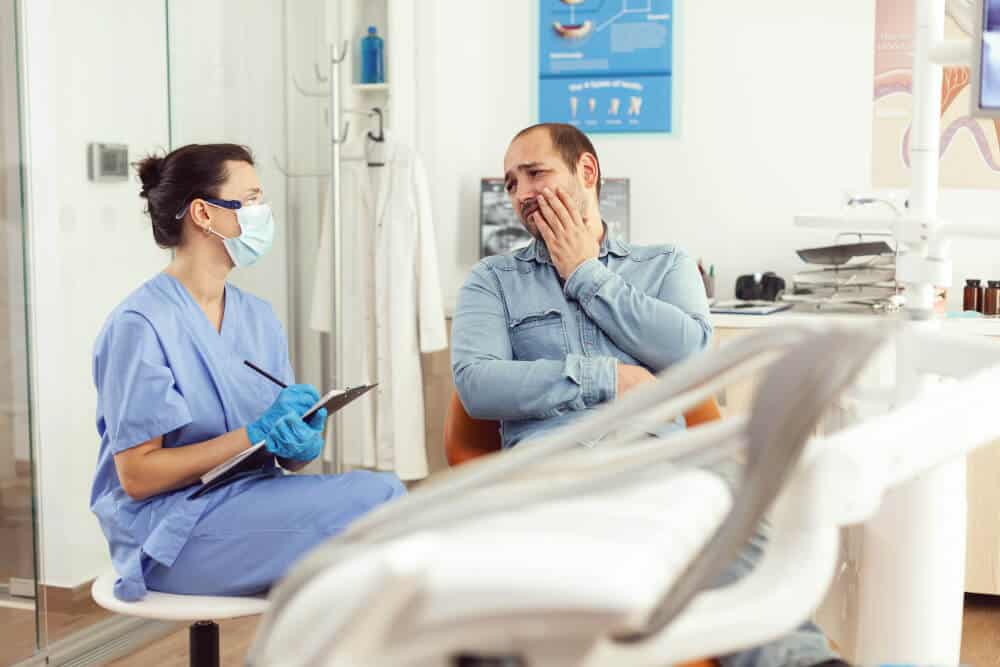
Dental emergencies rarely happen at a convenient time. A knocked-out tooth, a cracked molar, or a throbbing abscess can happen on a weeknight, over the weekend, or right before an important event. Knowing what to do — and where to go — can be the difference between saving a tooth and losing it.
If you’re in Thornton or the surrounding Hunter Valley area and you’re dealing with a dental emergency, here’s what you need to know.
What Is a Dental Emergency?
Not every dental problem needs the same-day attention, but some do. A dental emergency is any situation in which there is significant pain, injury to the teeth or mouth, infection, or damage that cannot wait for a standard appointment.
Common dental emergencies include:
- Knocked-out tooth — Time-critical. The sooner you act, the better the chance of saving the tooth.
- Severe toothache — Persistent, intense pain is a sign that something is wrong beneath the surface.
- Broken or cracked tooth — Especially when there’s sharp pain, exposed pulp, or visible damage.
- Dental abscess — A bacterial infection that can spread if left untreated.
- Lost crown or filling — Leaves the tooth vulnerable and often painful.
- Uncontrolled bleeding — Following an extraction or facial trauma.
- Jaw injury — From an accident, fall, or impact to the face.
If you’re unsure whether your situation qualifies as an emergency, it’s worth calling a dental practice directly. Most can advise over the phone.
First Aid for Common Dental Emergencies
While you arrange to see a dentist, taking the right first-aid steps can limit pain, minimise further damage, and, in some situations, save the tooth.
Knocked-out tooth
Always hold a knocked-out tooth by the crown, not the root. Rinse it gently with water — don’t scrub it. If possible, place it back in the socket and bite down gently to hold it in place.
If reinserting it isn’t possible, tuck it between your cheek and gum to keep it moist, or place it in a glass of milk. Get to a dentist as quickly as you can — ideally within 30 to 60 minutes.
Broken or chipped tooth
Rinse your mouth with warm water. If there are fragments, save them and bring them to your appointment. Apply gentle pressure with gauze if bleeding occurs.
Severe toothache
A warm salt water rinse combined with a cold compress on the outside of your cheek can help manage pain and reduce swelling. Over-the-counter pain relief such as ibuprofen or paracetamol can help manage discomfort in the short term.
Avoid placing aspirin directly on the gum — it can irritate the gum.
Dental abscess
Do not try to pop or drain the abscess yourself. Rinsing with warm salt water a few times a day is a simple way to help manage bacteria and soothe the surrounding tissue.
See a dentist as soon as possible — an untreated abscess can spread to the jaw, neck, and in serious cases, beyond.
Lost crown or filling
Clean the area gently. A temporary filling material, readily available at pharmacies, can be used to seal the tooth until your dental appointment. Avoid chewing on that side until you’ve seen your dentist.
Hospital vs Dentist: Where Should You Go?
This is one of the most common questions during a dental emergency — and getting it wrong can cost you time, money, and treatment.
Go to the emergency department if:
- You have uncontrolled bleeding that won’t stop
- Facial swelling is affecting your ability to breathe or swallow
- You suspect a jaw fracture
- There are signs of a serious spreading infection (high fever, difficulty swallowing, neck swelling)
Hospital emergency departments can manage life-threatening complications, but they are not equipped to treat dental problems directly. They can prescribe antibiotics or pain relief to stabilise you, but the dental issue itself will still need to be addressed by a dentist.
See a dentist for:
- Toothache or dental pain
- Broken, cracked, or knocked-out teeth
- Lost fillings or crowns
- Soft tissue injuries inside the mouth
- Most dental emergencies
In most cases, a dental practice — not a hospital — is the right first call. If you’re in Thornton or nearby, contact your Thornton dentist directly so they can assess your situation and get you seen as quickly as possible.
How to Manage Pain Before Your Appointment
Waiting to see a dentist is uncomfortable, especially when you have dental pain. These measures won’t fix the problem, but they can help you get through until your appointment.
- Over-the-counter pain relief — Ibuprofen is generally more effective for dental pain than paracetamol alone, as it targets inflammation. Follow the dosage instructions on the packaging.
- Cold compress — Hold a cold compress against the outside of your cheek for 15 minutes at a time to help reduce swelling and ease pain.
- Saltwater rinse — Stir 1/2 teaspoon of salt into warm water until fully dissolved, then use it as a gentle mouth rinse around the affected tooth. This helps reduce bacteria and soothe irritated tissue.
- Clove oil — Dab a small amount onto the affected tooth or gum using a cotton ball for short-term numbing relief. Use it sparingly.
- Avoid temperature extremes — Hot and cold food and drinks can make tooth pain significantly worse, especially if the nerve is exposed.
- Elevate your head when sleeping — lying flat can raise blood pressure in the affected area and intensify pain. Propping your head up with an extra pillow can help.
These are temporary measures. They manage the symptom, not the cause — which is why getting to a dentist quickly still matters.

Preventing Dental Emergencies
Some emergencies can’t be avoided, but many can be reduced with a few straightforward habits.
- Wear a mouthguard for sport — Any contact sport carries a risk of dental trauma. A custom-fitted mouthguard offers far better protection than an off-the-shelf option.
- Keep up with regular dental check-ups — Many of the issues behind dental emergencies — decay, cracks, infection — develop gradually. Routine appointments allow problems to be caught and treated before they become urgent.
- Avoid using your teeth as tools — Your enamel is subjected to needless pressure when you open packages, bite your nails, or rip tape with your teeth. This might eventually result in chips or cracks.
- Don’t chew ice or hard foods — Ice, hard lollies, and popcorn kernels are among the most common causes of cracked teeth.
- Address grinding — If you grind your teeth at night, a night guard can help protect against the wear and fractures that grinding can cause over time. Mention it to your dentist if you suspect it’s an issue.
Frequently Asked Questions
Can I go to the emergency room for a toothache?
You can, but it’s generally not the most effective option. While hospital emergency staff can prescribe pain relief and antibiotics, they cannot perform dental treatment. For a toothache, contact a dental practice directly — they’re better equipped to help.
What should I do if a tooth gets knocked out?
Gently lift the tooth by its crown, rinse it quickly, and try to put it back in its socket. If that’s not possible, store it in milk and get to a dentist within 30 to 60 minutes. The faster you act, the better the chance of saving the tooth.
How quickly do I need to see a dentist after a dental emergency?
For a knocked-out tooth, as soon as possible — ideally within the hour. For most other emergencies, the goal is the same day. Delaying treatment of an abscess or serious crack can lead to more complex problems.
Is a chipped tooth a dental emergency?
It depends on the extent of the damage. A minor chip with no pain may be able to wait for a regular appointment. If the chip is significant, there’s sharp pain, or the tooth feels loose, it’s worth contacting your dentist on the same day.
What counts as an after-hours dental emergency?
Any dental situation involving severe pain, trauma, swelling, or bleeding that can’t safely wait until the next available routine appointment. If you’re in doubt, call and describe your symptoms — a dental team can advise whether you need to be seen urgently.
Dental Emergency Care in Thornton
If you’re dealing with a dental emergency in Thornton or the surrounding Hunter Valley area, don’t wait it out in the hope it will resolve on its own. Without prompt treatment, most dental emergencies tend to worsen, so acting quickly gives you the strongest chance of a straightforward recovery.
We see patients from Thornton, Maitland, East Maitland, Metford, Beresfield, and surrounding areas across the Hunter Valley.
Same-Day Emergency Appointments Available in Thornton
Call us at (02) 4966 2996 to speak with our team, or book online if your situation allows. You’ll find us at Thornton Shopping Centre, Shop 30/1, Taylor Ave, Thornton.
We’re here when you need us.